


Image
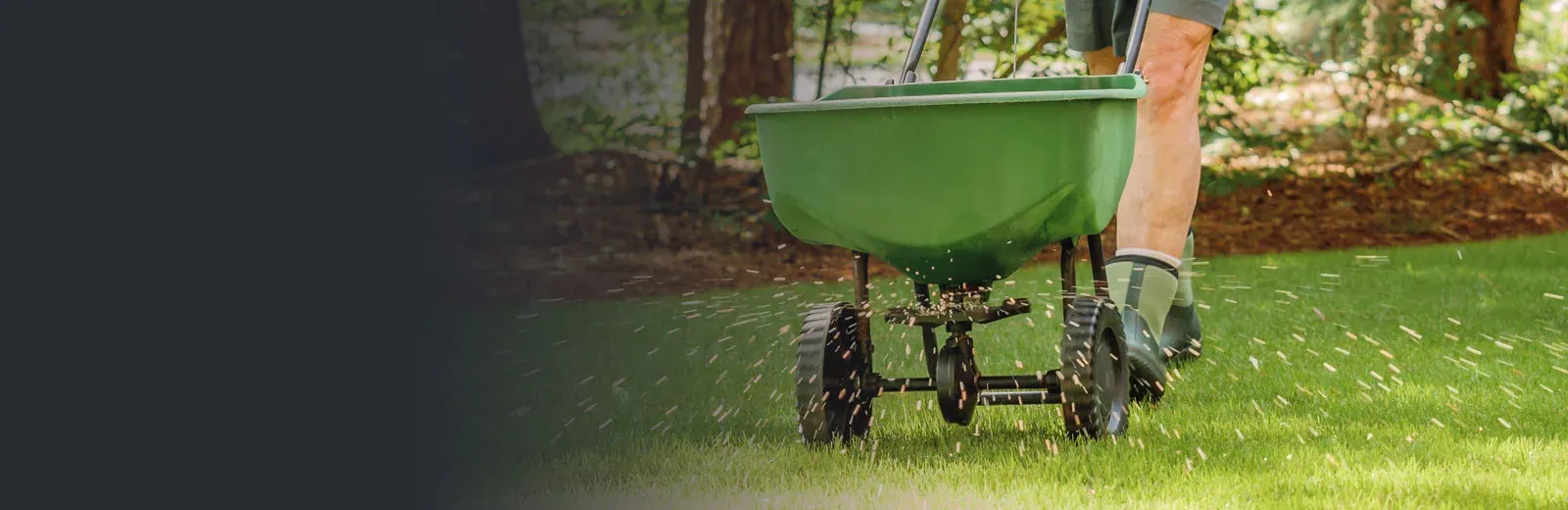
Overseeding lawn
Upgrade Your Lawn With Core Aeration
Icon
Image
Free retreatments icon
Satisfaction Guarantee
Icon
Image
Family owned icon
Family-Owned

Lawn Aeration in Georgia

The more we enjoy our outdoor living spaces, the higher the chances are for our grass to develop patches of compacted soil and thatch, which are major obstacles to vibrant property growth. At Environmental Turf Management, we provide the remedy through lawn aeration. Over time, even the healthiest home and business yards may start to look sparse, resulting in:

  • Water puddling after rain
  • Thatch buildup
  • Heavy clay soil
  • Thin, patchy, or bare areas

Fortunately, these conditions are often easy to improve or even remedy with Environmental Turf Management. Our core aeration can reduce thatch and soil compaction and help your lawn thrive. 

Why Wait. Get Started Today!
Book Online Now
Get a Free Estimate
Name
Contact Info
Address (autocomplete)
By submitting this form, you are agreeing to the privacy policy.
Validation
Submission

Quality Lawn Aeration You Can Trust

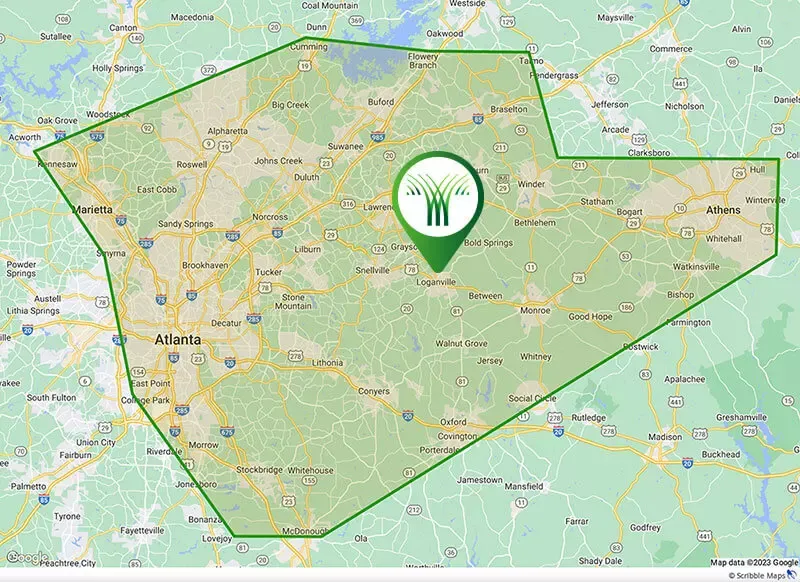
Environmental Turf Management offers core aeration for Bermuda and Zoysia grasses. Our technicians focus on aeration services throughout the warmer spring months when your lawn is actively growing. Our systematic aeration approach allows us to best serve our residential and commercial customers, no matter what the season has in store!

Get A Free Quote

Benefits Of Our Innovative Aeration Services

Yes, some properties may need aeration more frequently than others; however, at Environmental Turf Management, we know that every lawn can benefit from consistent aeration. Our team uses commercial-grade equipment to methodically work through your yard, pulling plugs from the soil that allow fertilizer, water, and oxygen to redistribute throughout the root zone to yield several crucial advantages, such as:

  • Improve air exchange between soil and surface
  • Reduced water runoff
  • Stronger root systems
  • Elevated heat and drought tolerance
  • Increased thatch breakdown
  • Minimized thatch buildup

Whether used alone or with any of our other lawn care programs, aeration can promote increased root development and support vibrant, healthy new grass growth.

Fescue Seeding Services

At Environmental Turf Management, we know that fescue lawns have unique growing needs. That's why we offer fescue seeding to home and business owners throughout our service area. Fescue flourishes in cooler temperatures, making fall the perfect time to aerate and seed.

Our fall aeration approach mirrors our spring program; however, in the autumn we also reseed to combat any existing summer drought damage. The result? In just a few short weeks, you should start to see signs of green sprouts making their way through the sparse, bare spots throughout your lawn!

Lawn Aeration FAQs: What You Need to Know
Can aeration prevent water pooling and soil compaction?

Yes, aeration reduces soil compaction by removing small soil plugs, which improves drainage and allows water to soak into the ground rather than pooling. This helps prevent mud puddles and lawn damage caused by excess surface water. Aerated soil also allows roots better access to oxygen and nutrients, promoting stronger, healthier turf. Proper drainage reduces the risk of diseases and fungal growth caused by standing water. Aeration is an effective natural solution for managing water and promoting soil health.

How do I know if my Georgia lawn needs aeration once a year or twice a year?

Most Georgia homeowners only need one aeration per year, timed to their grass type. Bermuda and Zoysia do best with a spring aeration when the lawn is actively growing. Fescue should be aerated in the fall, paired with overseeding. That said, yards with heavy foot traffic, compacted clay soil, or severe thatch buildup, often 1/2 inch or more, may benefit from two aerations per season. A quick test: push a screwdriver into your lawn after light watering. If you can only push it 2 to 3 inches before hitting resistance, your soil is compacted enough to warrant a second aeration. High-traffic areas near play equipment, gates, and parking areas typically compact faster than the rest of the yard and may need targeted attention even when the overall lawn does not.

What happens to the soil plugs left on my lawn after core aeration, and do I need to remove them?

You should leave the plugs where they fall. Core aeration pulls small cylinders of soil and thatch, typically 2 to 3 inches long, and deposits them on the surface. They look messy for a week or two, but serve an important function: as they break down with rain and normal watering, the soil and microbes inside them filter back into the aeration holes, introducing organic matter and microorganisms directly to the root zone. Removing or raking them up discards that benefit. In Georgia's clay-heavy soils, these plugs also help slowly amend surface compaction over time with repeated annual aerations. The plugs typically break down fully within 2 to 4 weeks, depending on rainfall and temperature.

Should I water my lawn differently in the days immediately after aeration to help it recover and maximize the benefit?

Yes, and this is one of the most overlooked steps in the aeration process. In the 48 to 72 hours after core aeration, the open channels are at their most receptive to water and any fertilizer applied during that window. If you have an irrigation system, increase your run time by 10 to 15 minutes per zone for the first two watering cycles after aeration. For fescue lawns where overseeding follows aeration, consistent moisture is critical: the seeded areas need to stay damp, not saturated, for 2 to 3 weeks to allow germination. Avoid heavy single-session watering, as it can pool and wash seed out of the aeration holes. Frequent, lighter watering of 10 to 15 minutes per zone, once or twice daily during germination, produces better coverage than a single long soak.

Will lawn aeration help my grass recover faster from Georgia's summer drought damage?

Aeration after drought damage is one of the best recovery tools available, particularly for Georgia clay soils that harden into an almost concrete-like surface during dry spells. Drought causes both compaction and thatch buildup as roots die back, and that combination creates a physical barrier that prevents recovery watering from reaching surviving root tissue. Core aeration breaks through that hardened layer and gives water, fertilizer, and oxygen a direct path to the root zone again. For Bermuda and Zoysia lawns showing drought damage, a late summer or early fall aeration ahead of any remaining growing season can speed green-up significantly. For fescue, fall aeration combined with overseeding is the standard method for replacing drought-thinned turf before winter.

Get Started Today! Call us at 770-466-0234 or
Reviews
5 Star Review

Always call a day before or 2 to inform when appointment is set always on time come out love the progress in the grass get to see a whole year of service this year

kenyata long
Loganville Office
5 Star Review

Greg has been our technician for a while now. He always shows up on the scheduled date provided and take care of our lawn. Kudos to you, Greg!

Valerie Perry
Loganville Office
5 Star Review

I use them for weed control and fertilizing lawn. I continue to receive comments regarding how nice my lawn is. I would recommend them and do to others.

Jo Ellen Cornelius
Loganville Office
Get a Free Estimate
Name
Contact Info
Address (autocomplete)
By submitting this form, you are agreeing to the privacy policy.
Validation
Submission